
When Vignettes Home clients walk through our doors and ask us for blinds, we often ask for clarification. Why? People use the words “blinds” and “shades” interchangeably, but these are two fundamentally different window treatment categories. Understanding their distinctions helps homeowners select the right window treatments.
Window Blinds vs. Shades: Form and Function
Let’s start this debate by describing how each category looks and works:
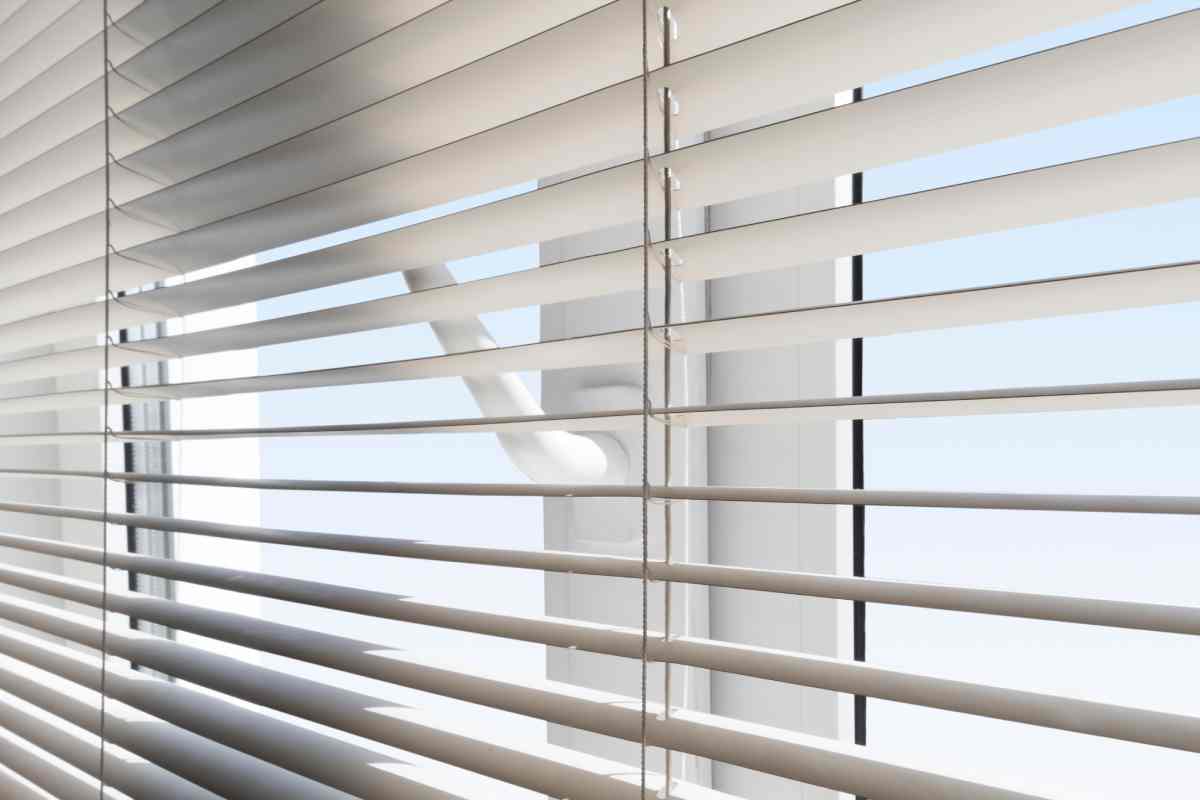
- Blinds can be horizontal or vertical. They have individual slats that you open, close, or tilt to control light and privacy. Companies like Hunter Douglas manufacture the slats from wood, faux wood, aluminum, vinyl, or fabric.
- Shades consist of a single piece of fabric or material that you raise or lower as one unit. You can leave it at whatever height you like.
The next step in deciding between shades and blinds is to determine which style(s) is best for your home.
Window Blinds vs. Shades: Style Categories
Blinds create clean, horizontal or vertical lines that complement contemporary and traditional settings. Wood and faux wood blinds add warmth and texture, while aluminum options provide a sleek, modern appearance; vertical blinds are ideal for large windows and sliding glass doors.
Shades give a softer, more flowing aesthetic that complements various interior design styles. This grouping includes Roman, honeycomb, roller, woven, and sheer shades.
Window Blinds vs. Shades: Practical Matters
The shades vs blinds debate continues into functionality. Blinds work well in rooms where you need precise light control throughout the day. Offices, kitchens, and bedrooms benefit from the ability to filter or block sunlight as needed.
Shades come in different opacities, ranging from sheer to room-darkening. This offers excellent versatility—choose a light-filtering fabric to reduce glare and protect privacy, and you can keep them lowered all day.
You can customize styles in both categories for specialty-shaped windows. We can also show you different control options depending on the chosen style. Examples include the Hunter Douglas SoftTouch® battery-powered system and PowerView® Automation.
Window Blinds vs. Shades: Maintenance and Durability
Blinds might require more frequent cleaning since the multiple slats can collect dust. Still, they’re generally more durable and less likely to show wear patterns. Regular dusting with a microfiber cloth keeps them looking fresh.
Depending on the material, fabric shades can be spot-cleaned or professionally cleaned. Vinyl and cellular shades typically need only occasional vacuuming with a brush attachment.
Window Blinds vs. Shades: Room by Room
Who says you have to stick with one window treatment style throughout your home? We’ll help you create a flow throughout your house:
- Blinds in moisture-resistant materials work beautifully in kitchens and bathrooms.
- Elegant sheers complement sophisticated living rooms.
- Cellular shades filter light perfectly in offices, reducing screen glare.
Households with pets might prefer the durability of quality blinds; we can also suggest room-darkening shades for bedrooms and nurseries. Budget considerations matter too, and blind and shade options are available across various price points. The best choices depend on your needs for light control, privacy, maintenance, and aesthetic preferences.
Compare Shades vs. Blinds in Our Showrooms
Don’t keep second-guessing your window treatment plans; The Vignettes Home design experts will help you select the ideal blinds or shades for every room in your home. We offer personalized consultations, professional measuring, and flawless installation services. Contact us for a consultation in Galena, IL; and Dubuque, Cedar Rapids, Davenport, and Platteville, Iowa.